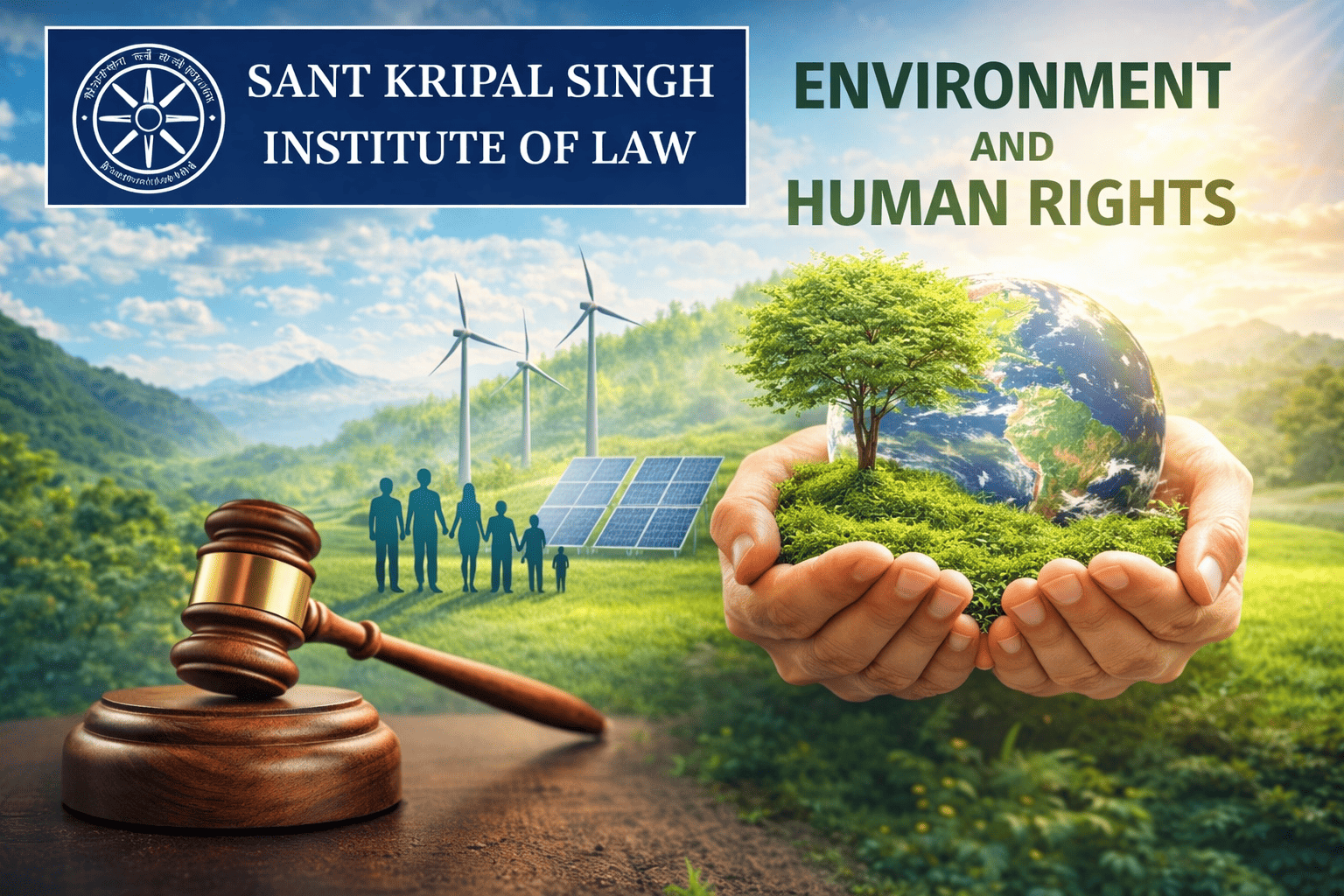
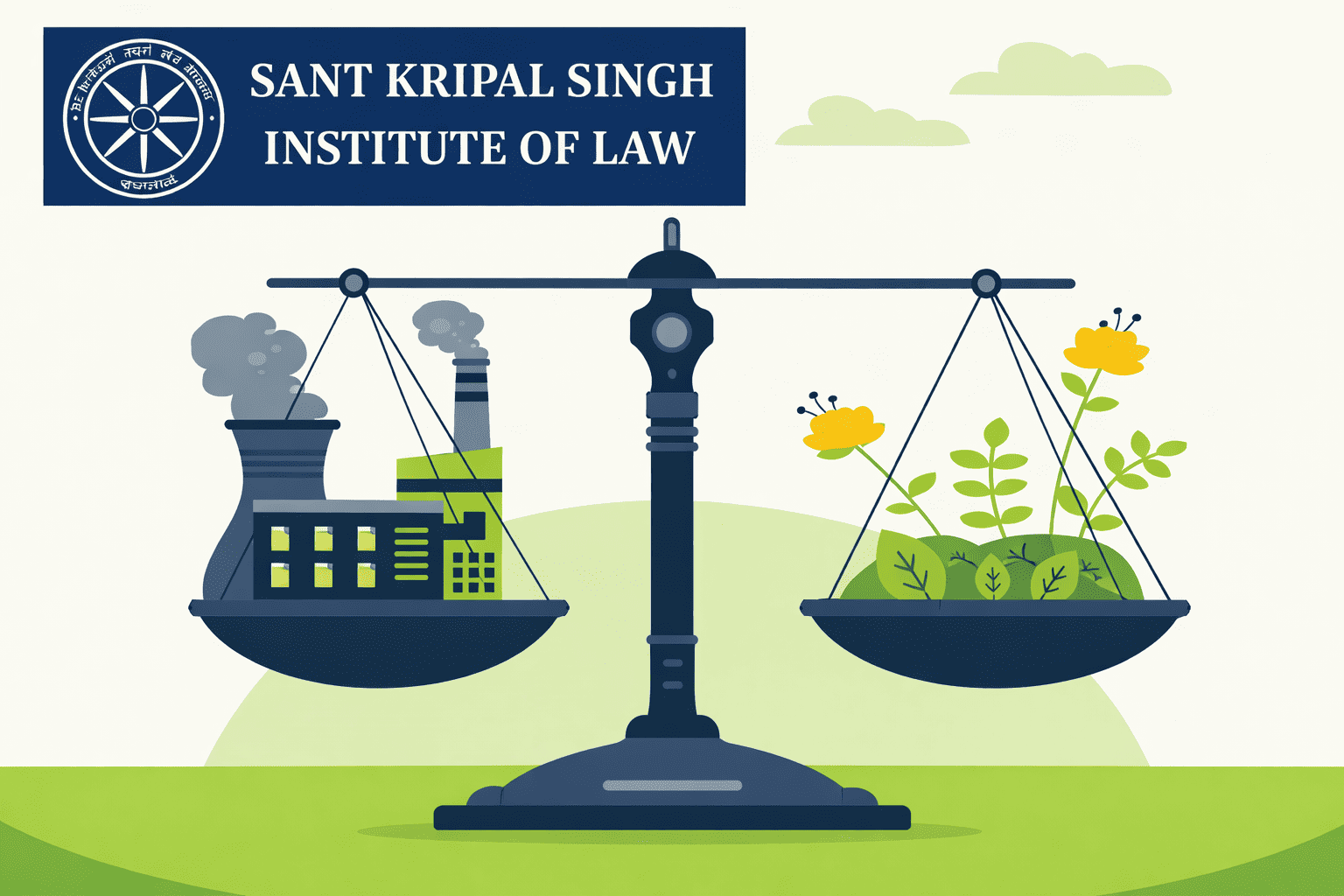
The legal implications of environmental justice in the context of human rights include the right to a healthy and safe environment, which is increasingly recognized globally and domestically. This framework creates obligations for states and corporations to prevent disproportionate environmental harm to vulnerable communities and to ensure equitable access to information, participation, and justice in environmental decision-making. Legal challenges arise from inadequate environmental and human rights frameworks, enforcement gaps, conflicts with economic development, and the potential for regulatory chill from investor-state dispute settlement mechanisms.
The Legal Basis for Environmental Justice
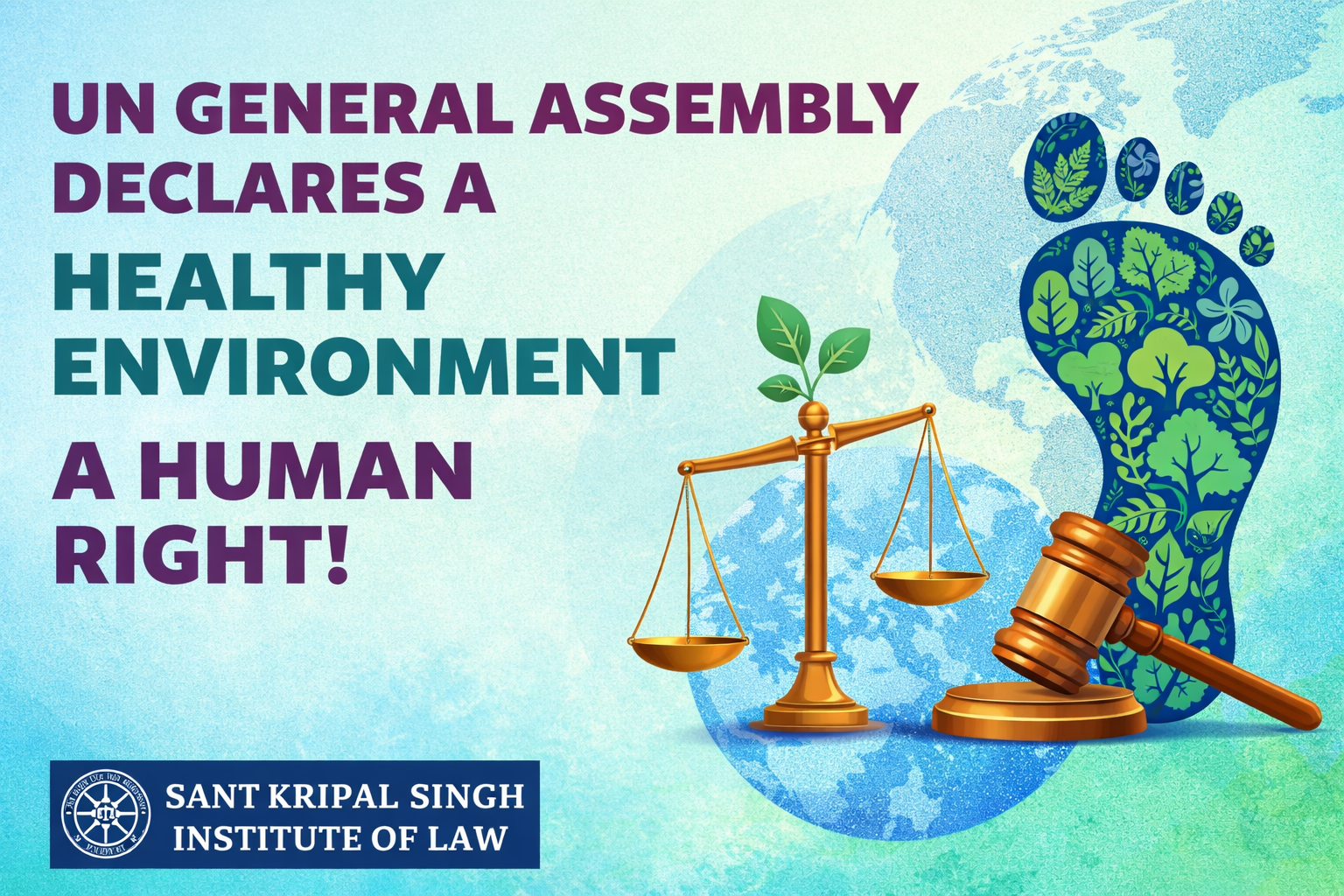
There is increasing global recognition of the human right to a healthy, clean, and sustainable environment, formally declared by the United Nations General Assembly in 2022. This right is essential for enjoying other human rights, such as the rights to life, health, food, and culture. International and national laws often interpret established human rights to include environmental dimensions. For example, the right to health is linked to environmental quality and fundamental duties to protect the environment are enshrined in some constitutions. States and corporations have obligations to prevent environmental harm, protect vulnerable communities, and implement policies that promote equity and sustainability.
Key Legal Implications
Environmental justice mandates that people have the right to judicial and administrative recourse to challenge decisions that violate their environmental rights. This framework requires states and corporations to ensure access to environmental information and allow meaningful participation by communities in decisions affecting them. Environmental justice provides a basis for holding states and corporations accountable for environmental harm, especially when it disproportionately affects marginalized populations.
Mechanisms for Enforcement and Accountability
Citizens and communities can use human rights law to sue governments for failing to protect their right to a healthy environment, as demonstrated by landmark court rulings on climate change. Establishing specialized environmental courts can improve the administration of environmental law and ensure that environmental justice issues are handled effectively. The principles of environmental justice are integrated into international law and are increasingly enshrined in national constitutions, fostering a global consensus on the need for a rights-based approach to environmental protection.
In the second half of the 20th century, the world has witnessed several developments, scientific advancements, and technological upgradations. However, all of these evolutions are on the verge of degrading the ecology and environment. It can be apparent through numerous indications, such as rising sea levels, extreme weather, toxic air, disappearing forests and shrinking biodiversity.
Living in a clean environment, having access to safe drinking water, and having less pollution, and the ability to breathe fresh air is the basic right of every human being. At present, the concept of environmental justice has become the call of the hour as more and more of the world is approaching towards expansion, growth, and prosperity, and it is calling for legal accountability, participatory governance and protection for the communities who are more often neglected and bear the ecological harm to a great extent.
Legal Recognition: Global and Indian Perspectives Global perspective
Different conventions, declarations, and guidelines from time to time have been initiated to associate environmental protection with human dignity, equality, and justice.
- Stockholm Convention (1972): This UN Conference on the Human Environment for the first time recognizes the relationship between the environment and human life. The Stockholm Conference Declaration proclaims that "man has the fundamental right to freedom, equality, and adequate conditions of life, in an environment of a quality that permits a life of dignity and prosperity."
- Earth Summit (1992): An affirmation of the environmental rights framework, the Rio Declaration incorporated new concepts such as sustainable development, the precautionary principle, and public participation, deepening the link of environmental matters with human rights globally.
- UN Human Rights Council Resolution (2021): For the first time, the UNHRC articulated the right to a clean, healthy, and sustainable environment as a human right, thereby giving a responsibility to the countries to ensure that this right is respected and protected.
Indian Perspective : Constitutional and Judicial Recognition
Bharat has been at the lead of recognizing environmental rights as implicit in the fundamental rights guaranteed under Indian Constitution.
- Article 21: Interpreted by different courts to include the right to a pollution-free environment & clean water.
- Article 48A: Directs the State to protect and improve the environment.
- Article 51 A(g): Imposes a duty on every Bharatiya citizen to protect and improve the natural environment.
Historic judicial decisions on landmark environmental law cases.
- Rural Litigation and Entitlement Kendra Case (1985)
- M.C. Mehta v. Union of India (1987)
- Vellore Citizens Welfare Forum v. Union of India (1996)
- Indian Council for Enviro-Legal Action Case (1996)
- M.C. Mehta v. Kamal Nath (1997)
- Forest Conservation Case (1995)
- Narmada Bachao Andolan v. Union of India (2000)
- Sterlite Copper Plant Case (2018)
- Vizag Gas leak Case (2020)
Conclusion
Environmental Justice is not a new concept, but it needs to be addressed effectively. Legal systems, both global and domestic are gradually acknowledging that ecological degradation is not just an environmental issue but a social and legal one. In Bharat, several judicial interpretations under Article 21 have environmental protection into a justifiable right, not solely a directive policy goal. Environmental law and human rights are reciprocally strengthening now. The legal implications of environmental justice in the context of human rights include the state’s duty to protect fundamental rights like life, health, and property from environmental harm, as environmental degradation often violates these established rights.
~Pradip Kumar (Assistant Professor)
Join SKSIL Law College and gain hands-on experience with the latest legal technology.